
Financial advisers often have some of their strongest marketing evidence sitting inside the business already: the real situations they have helped clients navigate.
A website can say that a firm provides personal advice, understands complex circumstances and builds long-term relationships. A case study can show what those claims actually look like when somebody needs help making an important financial decision.
That makes financial adviser case studies particularly useful. They turn an intangible professional service into a recognisable story, helping prospective clients understand when advice may be valuable and what the firm’s expertise looks like in practice.
A strong case study does not simply celebrate an outcome. It helps the right prospective client recognise a situation where your expertise made a difference.
Make an invisible service easier to understand
Financial planning is difficult to demonstrate before somebody has experienced it. Much of the value sits inside conversations, analysis, judgement and decisions made over time rather than a product a prospective client can inspect in advance.
This creates a challenge for financial adviser marketing. Many firms describe themselves using similar language: personal advice, tailored planning, experienced advisers and long-term relationships. Those qualities may all be genuine, but the prospect still has to decide whether the claims mean anything in practice.
Case studies provide evidence. Instead of simply saying that the firm understands business owners, families or people approaching retirement, the marketing can show a real situation where that understanding became useful.
Explain what you offer
Your positioning tells prospective clients what the firm believes it can provide.
Show it happening
A client story demonstrates how that expertise was applied to a genuine situation.
Make the relevance personal
The right reader may recognise similarities between the client’s challenge and their own circumstances.
Case studies make an invisible service easier for prospective clients to picture.
Choose cases the right clients recognise
The best case study is not necessarily the firm’s most technically complicated piece of work. It is often the story that most clearly reflects the client relationships the business wants to build more often.
If business owners are strategically important, cases involving succession, company sales or the relationship between business and personal wealth may deserve greater visibility. If retirement planning is central to the proposition, stories involving retirement decisions naturally become more useful.
This is where case studies should support the firm’s value proposition. The stories provide real-world evidence of the clients, circumstances and expertise the wider marketing says the business understands.
Publish the cases that support the business you want to build
A story becomes more commercially useful when the right prospective client can recognise why it may be relevant to them.
Start with the client’s situation rather than the technical solution. A reader is more likely to recognise “we did not know whether retirement at 60 was realistic” than a detailed description of the planning mechanism before they understand why it mattered.
The technical detail can follow where it adds useful context. It should demonstrate expertise without making the story difficult for somebody outside the profession to follow.
Give every case a clear story
Financial adviser case studies do not need elaborate structures. A repeatable framework usually makes the story easier to capture internally and easier for prospective clients to read.
Set the situation
Give enough context for the reader to understand who the client was and why advice had become relevant.
Explain the challenge
Show what was uncertain, complicated or preventing the client from making a confident decision.
Describe the approach
Explain how the adviser helped and what needed to be considered without reproducing the complete advice file.
Show what changed
Connect the outcome directly to the challenge and explain why the resulting position mattered to the client.
The outcome becomes more convincing when it answers the problem established at the beginning of the story.
Show the thinking, not just the result
A weak case study often jumps from problem to successful outcome with very little explanation between the two. That removes exactly the part that demonstrates the adviser’s value.
The reader needs enough insight into what made the case difficult and how the professional approach helped. What needed to be understood? Which competing considerations mattered? What changed once the situation was examined more carefully?
The same principle can be seen in Goldmine’s own client stories. RZ Financial Planning wanted to strengthen its presence among affluent clients with long-term interests in Portugal. The resulting work connected a refreshed identity with an English and Portuguese website, content assets, lead capture and SEO. The useful story is not simply that a website was built. It is how the work responded to the original commercial challenge.

The Kingsbury & Partners case follows the same principle. The work developed a new identity, website and supporting collateral around a professional, heritage-led proposition for a global HNW and UHNW audience. The case also includes a genuine client testimonial, rather than a quote written retrospectively on the client’s behalf.
The project itself is not the complete story. The problem it was designed to solve gives the work its meaning.
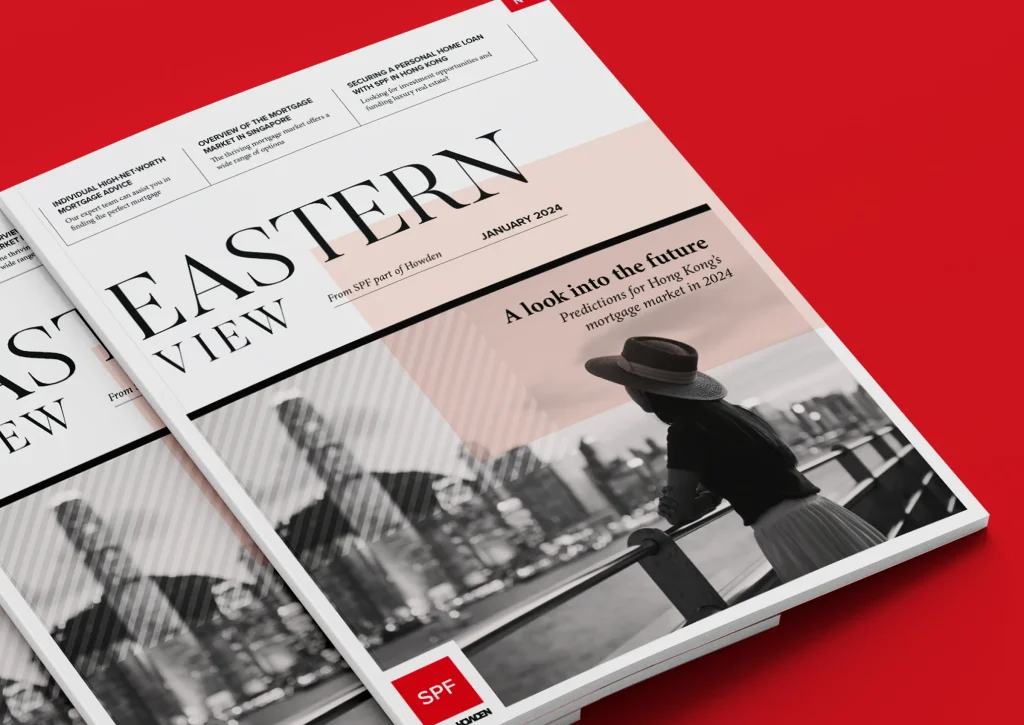
Outcomes do not always need dramatic percentages either. Goldmine’s work with SPF Private Clients centred on a new consumer-facing website and refreshed brand spanning mortgages, wealth management and insurance. The resulting story records positive feedback, deeper engagement and more meaningful conversations about client needs.
Qualitative improvement can still be valuable
A clearer proposition, stronger client experience or more coherent marketing platform can be worth explaining when the outcome is genuine and relevant to the original objective.
Capture real stories carefully
The adviser who handled the work will usually remember details that never reach a marketing brief. Speaking to them while the case is still relatively fresh can uncover what made the situation interesting, what the client struggled with and where professional judgement was particularly valuable.
Advisers should not need to write the finished case themselves. A focused interview can capture the raw story, after which marketing can shape it into something clear enough for a prospective client to understand.
- Flag interesting cases early rather than trying to remember them several months later.
- Capture the important context while the adviser still remembers why the work mattered.
- Check factual accuracy before turning the case into marketing copy.
- Use genuine client comments only where they were actually given and appropriately approved.
- Consider confidentiality and permissions before identifying the client or publishing personal circumstances.
- Follow the firm’s relevant review process before the finished communication is published.
Do not make the story better than the facts
A genuine outcome explained clearly is more valuable than an exaggerated success story prospective clients or the firm itself cannot rely on.
Put case studies where they build trust
A case-study archive has limited value if the people who need the evidence never encounter it. Relevant stories should be connected to the pages where prospective clients are already evaluating the firm’s expertise.
A strong financial adviser website might place a retirement case beside the retirement proposition or connect an adviser profile with stories from that individual’s areas of expertise. Proof becomes more persuasive when it appears near the claim it supports.
Tell the full story
Give the case enough room to explain the client situation, approach and outcome properly.
Extract useful lessons
Use the case as source material for adviser observations, articles and wider content.
Make expertise shareable
Give clients and professional connections a recognisable story they can use when making an introduction.
This can strengthen referral-led growth particularly well. Someone may read a case and immediately think of a friend, colleague or client facing something similar, giving them a much more useful introduction than a generic homepage.
Do not treat case studies as a separate archive. Put relevant proof close to the claims and client situations it supports.
Build a library of useful evidence
A case-study programme becomes more valuable as the library begins reflecting different audiences, advisers and areas of expertise. The stories should share a clear structure and brand presentation without becoming identical.
Goldmine’s Fairstone Wealth Leaders project demonstrates why flexibility matters. The work centred on a bi-monthly digital and physical publication for owners and business leaders across group firms rather than a website or rebrand. It still creates a strong case because the audience, objective, approach and finished output are clear.
Over time, the firm’s case-study library should provide evidence for the positioning it wants to own. Review which client stories are missing, which propositions need stronger proof and whether advisers are routinely identifying suitable future cases.
Your client work is already creating evidence of your expertise. The marketing process makes sure the right people can see it.
At Goldmine Media, we help financial advice and wealth management firms turn genuine expertise and client outcomes into professionally written and designed content that supports the wider brand and marketing journey.
Ready to collaborate?
If your firm has strong client work but needs a better way to turn those experiences into credible case studies and wider content, we’d love to hear what you’re working on.

