
Most financial advisers know they should be visible on social media. The harder part is building a presence that feels useful, human and recognisably theirs without turning weekly posting into another full-time responsibility.
Many firms begin with good intentions. A company page is updated, advisers are encouraged to post and a calendar is filled with market commentary, company news and financial reminders. After a few weeks, the obvious ideas run out and social media starts feeling like another channel that needs to be fed.
A stronger approach treats social media as part of the wider marketing system. It gives the expertise already inside the business somewhere to travel, helps advisers become familiar before somebody needs advice and keeps the firm visible between the conversations that matter.
Financial adviser social media works best when it gives the right people a reason to pay attention, remember the firm and look closer.
- Give social media a clear role
- Choose the audience and themes
- Turn adviser expertise into content
- Use company and adviser profiles differently
- Match the format to the idea
- Make one idea work harder
- Keep social content human
- Connect social media to the wider journey
- Build a sustainable social presence
Give social media a clear role
Posting three times a week is an activity target, not a commercial objective. Before deciding what to publish, the firm needs to understand what social media should contribute to the business.
It may need to make advisers more visible, demonstrate expertise, support professional relationships or help prospective clients feel more familiar with the people behind the firm. It can also distribute longer-form content, support recruitment and keep existing clients engaged between more direct communications.
Not every post needs to generate an enquiry. The value often develops through a sequence of interactions. A future client might read an adviser post today, notice another contribution next month and later visit the website after receiving a recommendation.
Become easier to notice
Give relevant audiences more opportunities to encounter the firm and its advisers.
Remain easy to remember
Stay usefully present before somebody actively needs financial advice.
Support closer research
Help people understand the expertise and personalities behind the business.
Do not begin with how often you should post. Begin with who should notice you and what you want them to understand.
Choose the audience and themes
Social content becomes generic when the intended audience is generic. A post aimed at anyone who might ever need financial advice is unlikely to feel particularly relevant to business owners, senior professionals or families approaching retirement.
A clearer target market gives the programme direction. It helps advisers focus on the questions, decisions and situations that matter to the people the business genuinely wants to attract.
Start with circumstances the audience recognises. People are more likely to be wondering whether they can retire, what a company sale means for their personal finances or how to support their children without compromising their own future than thinking in internal service categories.
Who should notice this?
Define the clients and professional communities the firm wants to reach.
What are they dealing with?
Focus on the decisions that make the subject relevant to them now.
What can the adviser add?
Choose subjects where experience provides more than a generic explanation.
A focused content strategy can turn those priorities into a manageable set of recurring themes. The audience focus remains consistent while the individual angle changes through explanations, opinions, client questions, research and professional stories.
Repeat the position, not the post
Return to the same valuable subjects through different questions and formats so the firm becomes known for something without sounding repetitive.
Turn adviser expertise into content
Most advisers do not lack useful ideas. They lack a simple process for capturing those ideas before the next meeting, email or deadline pushes them out of view.
A client asks a question that has appeared several times before. An adviser notices a common misunderstanding about retirement income. A conversation with a business owner reveals an issue that receives little attention in generic financial content. Each moment can become useful social material when somebody records and develops it.
Advisers should not necessarily be expected to write polished posts themselves. A focused conversation can uncover the question, experience and point of view, while a writer shapes that material into clear content and the adviser reviews the substance.
Capture the question
Start with something clients or professional contacts genuinely want to understand.
Find the adviser perspective
Ask what they have seen in practice and what deserves more attention.
Choose one clear angle
Focus the post rather than including everything the adviser knows at once.
Review it simply
Confirm that the finished content remains accurate and recognisably theirs.
This process is especially useful when developing adviser-led thought leadership. The strongest contribution is often the observation that could not have been written without the adviser’s experience.
Ask advisers for the insight only they can provide, not the finished marketing somebody else can create around it.
Use company and adviser profiles differently
The company page and personal adviser profiles should support one another, but they do not need to publish in exactly the same way. The company page represents the organisation, while individual profiles give expertise and personality a more natural route into professional networks.
Relying entirely on the company page can make the firm feel distant. Relying only on advisers creates the opposite risk, where individuals become visible but the business around them remains unclear.
Build the organisation
Share firm insight, research, meaningful developments and collective expertise.
Build the individual
Add personal commentary, experience and a recognisable professional voice.
Strengthen the presence
Connect familiar advisers to a credible and clearly positioned firm.
Every useful post can lead somebody back to the adviser profile. The headline, biography, photograph, banner and company information should therefore support the expertise being shared. Our guide to LinkedIn marketing covers that platform in greater detail.
The company page and adviser profiles should share a direction without sharing every sentence.
Match the format to the idea
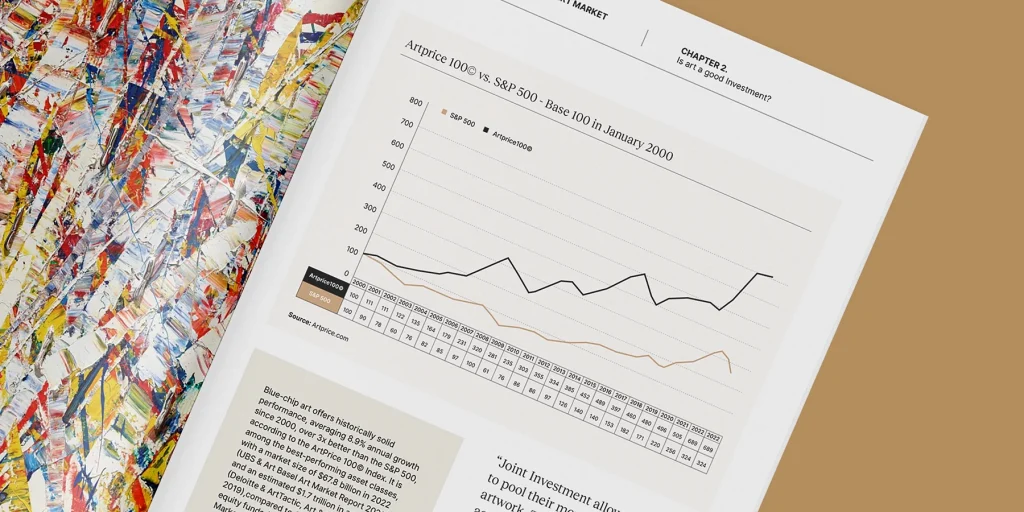
Not every post needs a graphic. A short adviser observation may be clearer as text, while a statistic, framework or step-by-step explanation may benefit from a visual treatment.
- Text posts suit concise observations, professional stories and adviser perspectives.
- Single graphics can make a statistic, quote or key message easier to notice.
- Carousels work well for sequences, frameworks and connected explanations.
- Photography can make team, culture and event content feel more genuine.
- Video may help when the adviser’s communication style is part of the value.
A consistent brand should make these formats feel connected without forcing them into one repeated template. Adviser commentary, statistics and carousels can each have a recognisable structure while sharing typography, colour and wider creative direction.
Create a family of formats
Give different ideas the presentation they need while retaining the visual cues that make each post recognisably yours.
Make one idea work harder
Social media becomes exhausting when every post requires a completely new subject. A more efficient approach begins with fewer, better-developed ideas and adapts them intelligently.
Suppose the firm publishes a detailed article about the financial decisions involved in selling a business. The same thinking could support an adviser observation, a carousel, a statistic-led post and a newsletter section without asking the adviser to begin from zero each time.
Develop the core idea
Use an article, interview or report to explore the subject properly.
Extract the strongest points
Identify observations, questions, statistics and examples that can stand alone.
Adapt the format
Turn each point into the type of post best suited to communicating it.
Reconnect the journey
Lead interested people towards the fuller article or relevant adviser where useful.
This allows social activity to draw from the firm’s broader content marketing rather than operating as a separate weekly demand for ideas. Repurposing should extend the thinking, not repeat the same paragraph everywhere.
Good content can keep travelling
Plan distribution from the beginning and resurface valuable older work when its subject becomes relevant again.
Keep social content human
Financial services content can easily become too formal. Long introductions, professional jargon and heavily qualified language may be appropriate in some communications, but social media makes unnecessary distance particularly noticeable.
The strongest adviser posts often sound closer to how the person would explain the same idea during a good client conversation. They remain accurate and professional, but the language is direct enough for people to follow comfortably.
Allow one thought to flow naturally into the next. An occasional short line can create emphasis, but treating every sentence as a dramatic standalone hook makes the writing feel manufactured. The structure should change with the idea rather than forcing every post through the same formula.
The content should sound like the adviser on a particularly clear day, not like an anonymous marketing team pretending to be them.
Human does not mean private. Advisers can reveal personality through the subjects they choose, the examples they use and the way they respond to other people without sharing every part of their lives.
Calls to action should also remain proportionate. Sometimes the right outcome is simply that somebody understood something, remembered the adviser’s name or chose to keep following the profile.
Professional does not have to mean impersonal, and useful content does not need to turn every interaction into a sales pitch.
Connect social media to the wider journey
Social media may create the first impression, but prospective clients often continue their research elsewhere. They may visit the firm’s website, search for the adviser, read other articles or look for evidence from existing clients before deciding whether to make contact.
The platform therefore needs to sit within a connected client journey. Profiles and posts should reinforce the same positioning, expertise and level of quality somebody encounters after leaving social media.
A strong website gives that interest somewhere useful to go. It should connect advisers to relevant articles, areas of expertise, client evidence and a clear route to contact rather than asking the visitor to begin their research again.
See the adviser
A post or comment introduces the individual and their expertise.
Understand the firm
The profile and website provide greater depth and evidence.
Begin the conversation
A clear contact route supports the next step when the person is ready.
Do not add a link to every post automatically. Use one where the destination genuinely continues the reader’s interest, such as a substantial article, relevant client story or event page.
The next step should continue the reader’s interest, not interrupt it with a marketing instruction.
Build a sustainable social presence
Most advice firms can find enough ideas for a month of social media. The real challenge is keeping the activity moving when client work becomes busy.
Somebody needs to plan the themes, capture adviser input, draft the posts, create graphics, manage the appropriate review process and publish consistently. If the whole system depends on one adviser finding spare time, gaps are almost inevitable.
Plan the themes
Work from agreed audiences and subjects rather than an empty weekly calendar.
Capture adviser input
Use focused conversations and real client questions efficiently.
Create and review
Give copy, design, factual checks and appropriate approval a clear route.
Publish and learn
Review what creates relevant attention and use the insight next time.
Likes and impressions can help diagnose reach, but they do not explain the full commercial value. Look at whether the right clients and professional contacts are engaging, visiting profiles, continuing into the website or mentioning the content in real conversations.
A post with modest engagement may be highly valuable if the right accountant shares it with a client. Another may reach a large audience with little connection to the firm. Review patterns across several months rather than rebuilding the strategy whenever one post performs poorly.
Familiarity builds over time
Judge whether advisers are becoming easier to recognise and associate with relevant expertise, not only whether this week’s post performed well.
At Goldmine Media, we help financial advice and wealth management firms bring these elements together through social strategy, adviser interviews, copywriting and branded creative. Our content bundles are designed to make useful expertise easier to publish without making advisers responsible for managing the whole programme themselves.
You can see a connected approach to branding and social content in our work with RZ Financial Planning.
The aim is not to make your profiles look busier. It is to make your advisers and expertise easier for the right people to remember.
Ready to collaborate?
If your firm needs a clearer social strategy, a more reliable flow of adviser-led content or a connected bundle of written and visual assets, we’d love to hear what you’re working on.

