
Financial advisers build their businesses on trust, expertise and long-term relationships. Before a prospective client experiences any of those things, however, they experience your marketing.
They may visit your website after receiving a referral, see an adviser on LinkedIn or find an article while researching a financial question. Each interaction begins shaping their impression of the firm, often long before they feel ready to book a meeting.
For many UK advice businesses, the quality of the advice and the quality of the marketing do not quite match. The expertise is there, but the brand feels dated, content appears inconsistently and individual assets do not always tell the same story. Solving that problem requires more than another brochure or occasional batch of posts. It requires a connected approach to branding and content.
Effective financial adviser marketing should make the firm easier to recognise, understand and choose.
- Give your marketing one direction
- Start with the clients you want
- Build a brand clients recognise
- Use content to show your expertise
- Make branding and content work together
- Connect the complete client journey
- Build a system your team can maintain
- Measure progress, not just activity
- Choose the right marketing support
Give your marketing one direction
Most advisers can explain why a client should choose them once they are sitting across the table. They can ask the right questions, understand the client’s circumstances and demonstrate the value of their experience through a real conversation.
The harder part is communicating that value before the conversation begins. A prospective client may visit several firms that appear to offer broadly similar services. Retirement planning, pensions, investments, protection and ongoing advice are all important, but a service list gives the reader little help when comparing one firm with another.
Your marketing therefore needs a clear direction. It should help the right person recognise who you understand, where your expertise is particularly relevant and what kind of relationship they can expect.
Before the first meeting, your marketing has to answer one question: why should someone keep considering your firm?
That direction should come from the business rather than the individual channel. A marketing plan can establish the commercial priorities, audiences and messages that branding, content, social media and the website all need to support.
Show who you understand
Help prospective clients recognise the situations and financial decisions your firm is particularly well placed to support.
Explain why your approach matters
Move beyond generic claims and show what your experience or way of working changes for the client.
Give people a reason to believe it
Support the position with real advisers, useful insight and credible examples of the firm’s expertise.
Start with the clients you want
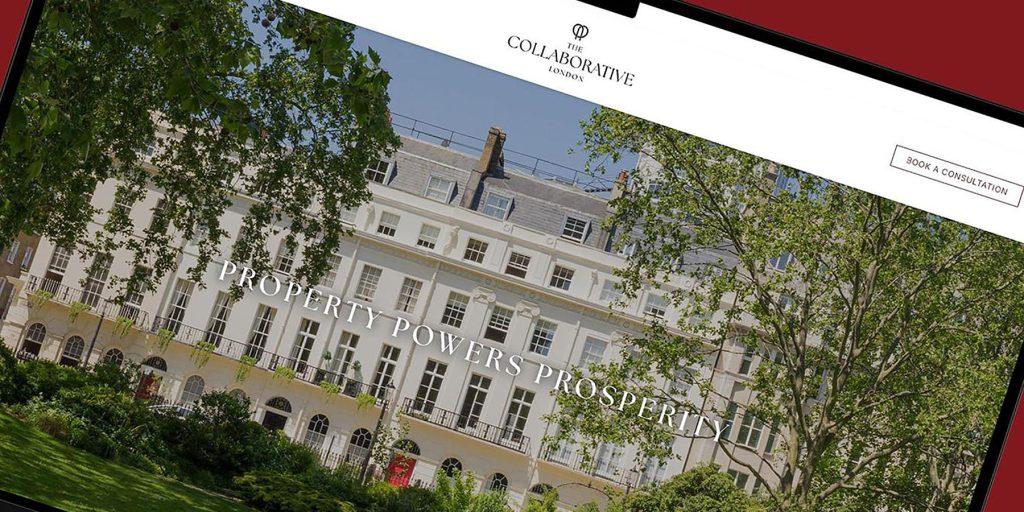
Marketing becomes generic when the intended audience is generic. A firm that tries to speak equally to business owners, young families, retirees and high-net-worth clients will often rely on broad language that feels relevant to almost anyone but especially relevant to no one.
A clearer target market gives the firm an audience to prioritise. This does not mean refusing to help everyone outside a narrow niche. It means deciding whose attention the marketing should work hardest to earn.
Once that audience is clearer, the firm can build a stronger value proposition. Rather than simply promising personal or tailored advice, it can explain why its expertise, service model or experience is particularly useful to people in those circumstances.
Create relevance
Speak clearly to someone
A focused message can still represent a broad advice service. It simply gives the clients you most want a stronger reason to recognise themselves.
Existing clients can provide useful evidence. Look at the relationships advisers particularly enjoy, where the firm creates the clearest value and what those clients say they appreciate. Their language may reveal strengths that the current marketing barely mentions.
Define the audience
Identify the clients, circumstances and relationships the firm wants to build more often.
Understand the trigger
Clarify the decision or change that makes financial advice relevant to those people now.
Identify the value
Explain what the firm helps clients understand, organise or decide more confidently.
Make the proof visible
Connect the proposition to real advisers, client experiences and useful published expertise.
Build a brand clients recognise
Branding is sometimes treated as a visual exercise: choose a logo, agree a colour palette and apply both to the website. Those elements matter, but a strong financial services brand has a much bigger job.
It should create a consistent impression wherever somebody encounters the firm. That includes the website and LinkedIn, but also presentations, reports, newsletters, brochures, adviser profiles and the materials used after somebody becomes a client.
The visual identity, messaging and tone should all reinforce the same position. When they work together, the firm becomes easier to recognise and its marketing feels more deliberate.
Look like one business
Use consistent visual cues so the firm remains recognisable across different channels and formats.
Communicate a clearer place
Make the audience and value of the business visible rather than relying on a generic service description.
Reflect the quality within
Give prospective clients a professional experience that supports confidence in the firm behind it.
Professional presentation alone will never create trust, but dated or inconsistent presentation can undermine the trust your advisers are trying to build. The brand should support the credibility that already exists inside the business rather than making the marketing feel like a weaker version of the advice.
Your brand should give prospective clients a fair impression of the firm they will eventually meet.
The identity also needs to be practical. A logo is not enough when teams need social graphics, reports, presentations and digital content every month. A useful brand system gives those materials a shared visual language without forcing every asset into exactly the same layout.

Use content to show your expertise
Branding creates the foundation. Content gives the firm regular opportunities to demonstrate what sits behind it.
Every week, advisers answer questions about pensions, retirement, investments, tax planning and changing financial circumstances. Those conversations contain the ideas that can make content genuinely useful, yet much of that expertise disappears into meetings and inboxes.
A stronger programme captures the questions clients already ask and turns adviser knowledge into articles, posts, newsletters and other useful assets. The firm can become visible before somebody is ready for a meeting and stay relevant between the conversations that matter.
Instead of repeatedly saying that your advisers are knowledgeable, content allows you to demonstrate how they think.
A focused content strategy keeps the activity connected to the firm’s audiences and commercial priorities. It replaces the monthly search for random topics with a smaller number of themes the business genuinely wants to become known for.
Answer recognisable questions
Help people understand decisions that may eventually bring them towards professional advice.
Stay useful between meetings
Provide relevant insight that keeps the relationship active beyond the annual review.
Make expertise easier to share
Give accountants, solicitors and other contacts useful material they can pass to the right person.
The aim is not to publish as much as possible. It is to create a recognisable body of work that gives the right people repeated reasons to notice, understand and remember the firm.
Make branding and content work together
Branding without content can leave a business looking polished but quiet. Content without strong branding can provide useful information that few people remember came from your firm.
Bringing the two together creates something more valuable. The brand establishes how the firm should look, sound and position itself, while content repeatedly brings that identity to life through useful communication.
It also makes the marketing more efficient. One substantial idea can support several formats, allowing the business to build depth without asking advisers to invent a completely new subject every week.
- An adviser interview can become an article and several pieces of LinkedIn content.
- Original research can support graphics, commentary and relevant media opportunities.
- A client question can become an article, social post and section within a newsletter.
- A real client outcome can become a credible case study and supporting content.
Build a marketing library
Let every strong idea create more value
The most effective programmes accumulate useful articles, adviser insight and branded assets instead of starting from zero whenever another channel needs content.
Repurposing should not mean copying the same paragraph into several places. Each format needs its own entry point and level of detail. The article develops the full idea, a post extracts one useful observation and a graphic makes a statistic or framework easier to notice.
Connect the complete client journey
A prospective client does not experience branding, content, LinkedIn and the website as separate marketing departments. They experience one firm, often across several interactions that happen weeks or months apart.
The wider client journey should therefore feel connected. Each touchpoint needs to help the person move from discovering the business to understanding its relevance, trusting its expertise and feeling comfortable enough to make contact.
Become visible
Search, social content, PR and referrals can introduce the firm to a relevant audience.
Establish relevance
Clear positioning helps the person recognise why the business may suit their circumstances.
Build confidence
Adviser profiles, content and client evidence support closer evaluation of the firm.
Make contact easy
A clear next step and explanation of the first conversation reduce uncertainty.
The website often becomes the central point in this journey. It brings together the proposition, advisers, expertise and proof, whether somebody arrives through search, social media or a personal recommendation.
Client-facing reports, presentation decks and other marketing materials should continue the same experience. The closer somebody gets to the firm, the more consistent and convincing the presentation should feel.
Avoid the disconnect
One firm should create one recognisable experience
Every touchpoint can perform a different job while still reinforcing the same audience, proposition and level of quality.
Build a system your team can maintain
It is common for growing advice firms to commission marketing one requirement at a time. A designer creates a brochure, somebody internally writes several posts, another supplier updates the website and an adviser produces an article when time allows.
Each individual piece may be competent, but several suppliers and contributors can interpret the business differently. The result is often inconsistent design, fragmented messaging and a marketing workload that keeps returning to advisers.
The answer is not necessarily to avoid specialists. It is to give the work one direction, a practical workflow and clear ownership.
Set the direction
Agree the audiences, proposition, themes and commercial priorities before individual assets are commissioned.
Capture adviser expertise
Use focused conversations rather than expecting advisers to write, design and manage every asset themselves.
Build connected assets
Create the copy and design together so each piece reinforces the same brand and message.
The workflow should also include the firm’s relevant regulatory, compliance and approval processes from the beginning. Clear briefs, agreed formats and sensible version control make regular marketing easier to review without making every publication an improvised internal project.
Your advisers should provide the expertise. They should not have to become the entire marketing department.
A suitable financial services marketing partner can bring strategy, copy and creative delivery together, while the firm retains ownership of its commercial direction and adviser insight.
Measure progress, not just activity
A busy marketing calendar does not automatically mean the firm is building a stronger position. Publishing more posts, sending more emails or increasing website traffic can all look positive without improving the quality of the audience or the conversations reaching advisers.
Measurement should reflect what the marketing was designed to achieve. That may include stronger visibility around a priority subject, more visits to adviser profiles, better engagement with useful content or a growing number of suitable enquiries.
Are the right people finding you?
Track search, social and referral visibility around the audiences and expertise that matter commercially.
Are they looking closer?
See whether people move into related articles, adviser profiles, case studies and service information.
Are conversations improving?
Use adviser feedback to understand whether enquiries are better informed and better suited to the firm.
Some of the most useful evidence will appear in real conversations. A prospect mentions an article, an accountant shares a guide or a new client says the website helped validate a recommendation. These signals show that the marketing is influencing trust even when one platform cannot claim the final conversion.
The aim is not to create more marketing every month. It is to leave the firm with a stronger marketing position every month.
Choose the right marketing support
Most independent financial advice firms do not need a large internal marketing department. They need clear foundations, consistent delivery and a reliable way to turn adviser expertise into useful assets without adding another substantial job to the advice team.
That is the thinking behind Goldmine Media’s branding and content bundles. We bring strategy, copy and creative work together so the firm is not commissioning disconnected pieces from suppliers who each need to interpret the business from the beginning.
The exact bundle should reflect the firm’s real constraint. One business may need a clearer proposition and stronger identity before increasing activity. Another may already have a good brand but need a dependable flow of articles, adviser posts and visual assets.
Build around the business
Choose the bundle that solves the actual problem
The value comes from giving every asset the same audience, message and creative direction, not from creating the longest possible list of deliverables.
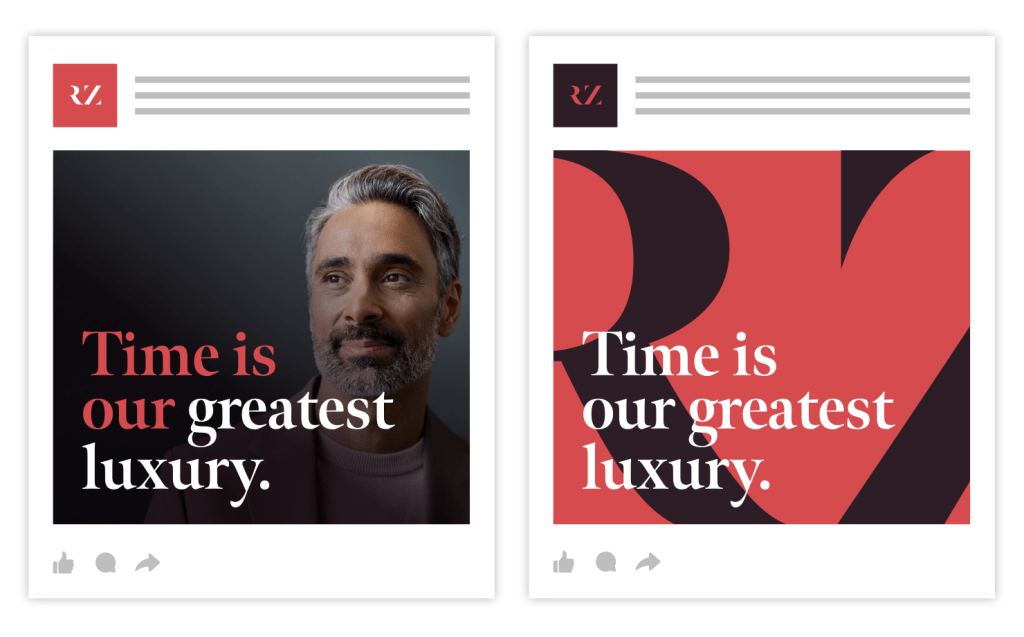
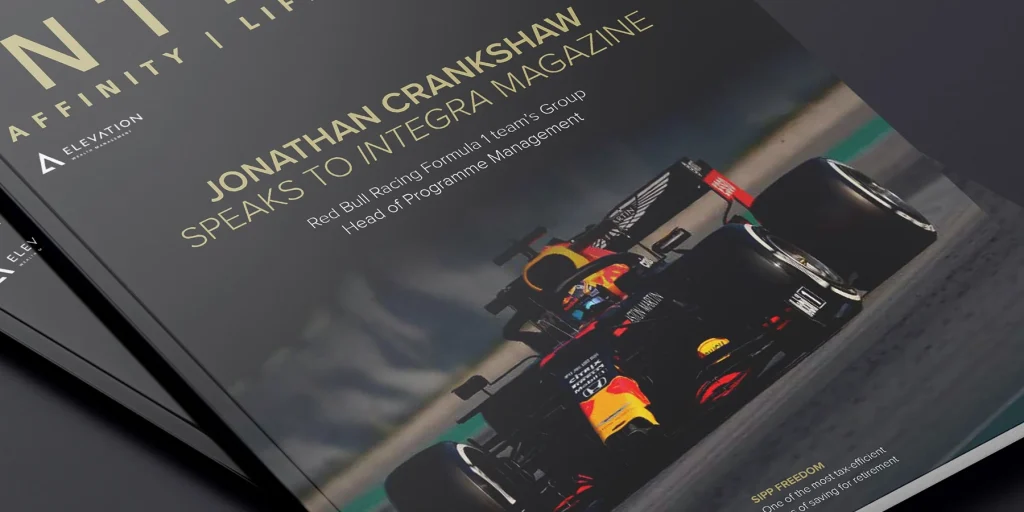
You can see different examples of this joined-up approach through our work with RZ Financial Planning, Kingsbury & Partners, SPF Private Clients and Fairstone Wealth Leaders.
Each project looks different because the underlying business, audience and marketing need are different. The common principle is to make the value already inside the firm clearer, more recognisable and easier to communicate consistently.
Your marketing should reflect the quality of the advice you already provide.
Goldmine Media
Ready to collaborate?
If your firm needs a stronger brand, a more consistent content programme or a connected bundle that brings the two together, we’d love to hear what you’re working on.

